


Understanding the Costs of Auto Repairs

September 30, 2026

Share this article

Learn what drives auto repair costs. From labor and parts to diagnostics and maintenance, discover how to make smarter, more cost-effective decisions for your vehicle or fleet.

The Breakdown of Auto Repair Costs

Auto repair costs are composed of several core components, each of which contributes to the final invoice. These are:

1. Labor Costs

Labor is often the most significant portion of the bill. Shops calculate labor by the hour, and rates vary depending on location, complexity of the job, and whether specialized knowledge or equipment is required. Rates may range from $90 to $150 per hour, depending on the shop’s expertise and certification level.


It’s also worth noting that shops use standard labor guides to estimate job duration.


Example: For instance, replacing a water pump might be listed as a 2.5-hour job, even if a seasoned technician completes it faster. This ensures consistency but also explains why the labor cost sometimes seems high.

2. Parts and Materials

The price of parts can fluctuate based on brand, vehicle make and model, and supply chain availability. OEM (Original Equipment Manufacturer) parts generally cost more than aftermarket options but offer a better guarantee of compatibility and longevity.


In cases such as diesel exhaust system repairs or brake system overhauls, parts costs can be substantial due to the complexity and regulatory compliance involved. Heavy-duty vehicles may also require specialty fluids like diesel exhaust fluid or synthetic gear oil, which carry premium price tags.

3. Diagnostic Fees

Modern vehicles, especially fleet units and diesel-powered systems, require advanced diagnostics. Shops invest in expensive scan tools and software to read engine codes and pinpoint issues. A typical diagnostic fee can range from $100 to $200, depending on the depth of the analysis.


This charge is not just for plugging in a scanner. It includes the technician's time reviewing data, inspecting components, and ruling out false positives — all essential for proper repair planning.

4. Shop Fees and Environmental Charges

These often-overlooked line items cover disposable materials like rags, sealants, and chemicals. In addition, shops must comply with regulations for safe disposal of fluids like oil, coolant, and DEF (Diesel Exhaust Fluid), which leads to environmental charges appearing on your bill.


While this fee may only be 5–10% of the total invoice, it reflects a shop's commitment to safety and environmental compliance.

Factors That Influence Cost Variability

Vehicle Type and Complexity

A routine oil change on a gas-powered sedan is far less expensive than one on a Class 8 diesel truck, which may require multiple filters, gallons of specialized oil, and chassis lubrication. Modern vehicles also include advanced emissions and after-treatment systems like DPFs (Diesel Particulate Filters) and SCR (Selective Catalytic Reduction) systems that are costly to diagnose and repair.

Age and Mileage

Older vehicles and those with high mileage often require more extensive repairs. Corroded components, worn seals, and obsolete parts can add both time and cost to repairs.

Preventive Maintenance Habits

Owners who adhere to scheduled preventive maintenance — including coolant flushes, transmission fluid changes, and DOT inspections often spend less on unplanned breakdowns. Preventive care identifies issues before they spiral into major failures.

Common Repairs and Their Average Costs

To provide clarity, here’s a snapshot of average repair costs for common services in a professional auto or fleet repair shop:

  • Brake pad & rotor replacement: $300 – $700
  • Engine diagnostic & repair: $500 – $2,500+
  • Suspension component replacement: $400 – $1,000+
  • Air conditioning system repair: $300 – $1,200
  • Transmission rebuild (HD trucks): $3,000 – $6,500
  • ECM tuning (with emission systems): $600 – $1,500

These are ballpark figures and can vary depending on parts used, labor complexity, and whether mobile service or in-shop work is performed.

How to Reduce Auto Repair Costs Responsibly

While repairs are inevitable, there are steps drivers and fleet managers can take to keep costs in check:

1. Prioritize Preventive Maintenance

Ignoring fluid changes, bearing greasing, and air brake inspections can lead to larger, more expensive failures down the road. For instance, failing to service a cooling system could result in a blown head gasket — a repair that might cost $2,000+.

2. Build a Relationship with a Reputable Shop

Local trust matters. By working consistently with a shop like Legacy Auto & Fleet in Stark County, Ohio, you gain transparency, quicker service, and the ability to track your repair history — all of which aid in faster diagnostics and better pricing over time.

3. Understand What You're Paying For

Ask for a breakdown of costs before approving repairs. Don’t hesitate to request clarification on labor times, parts origin, or warranty coverage. A reputable shop will explain everything clearly and professionally.

4. Utilize Mobile Services When Practical

Mobile repair services can minimize downtime and transportation costs for fleet vehicles. For tasks like inspections, oil changes, or air system service, scheduling a mobile unit to visit your lot may save thousands over time.

5. Don’t Delay Critical Repairs

While it may be tempting to delay a repair for budget reasons, doing so can lead to cascading failures. For example, a minor transmission leak can lead to a full rebuild if ignored. Make decisions based on total cost of ownership, not just the current repair estimate.

Stay Ahead of Costly Repairs

Understanding the costs behind auto repairs allows vehicle owners and fleet managers to make more informed, financially sound decisions. From labor and parts to diagnostics and compliance, several factors shape the final repair bill.


If you need auto repairs in Stark County, Ohio, reach out to Legacy Auto & Fleet today.

Get in touch

Contact Legacy Auto & Fleet

Legacy Auto & Fleet proudly offers our mobile truck repair & commercial fleet maintenance services to light & medium-duty trucks & auto fleets throughout Stark County, including service to Cleveland, Akron, Canton, Youngstown, & more. Get in touch with our mobile diesel mechanic team today with any questions, to request a quote, and to schedule onsite service.

Black telephone handset icon on a white background
White envelope mail icon on a black background
Black clock face with white hands and hour markers
Black map pin icon on a white background

Recent Posts

White semi-truck driving on a curving road under a clear blue sky
September 30, 2026
As diesel repair experts, we understand the importance of staying informed and educated on the latest advancements in diesel repair, maintenance, and technology. Welcome to our Article section! As diesel repair experts, we understand the importance of staying informed and educated on the latest advancements in diesel repair, maintenance, and technology. That's why we've created this section of our website - to provide you with valuable information and insights on all things diesel. ‍ Here, you'll find regular articles covering a wide range of topics related to diesel repair, maintenance, and troubleshooting. Whether you're an operator, fleet manager, or diesel engine enthusiast, you'll find something of interest here. ‍ Diesel engines are an essential part of our daily lives, powering everything from cars and trucks to trains and boats. They are known for their reliability, durability, and efficiency, making them a popular choice for many people. However, with all the complex parts and systems involved, it can be challenging to keep your diesel engine running smoothly without the proper knowledge and maintenance. ‍ That's where we come in. Our team of diesel repair experts has years of experience and expertise in all aspects of diesel repair, maintenance, and technology. We understand the intricacies of diesel engines, and we're passionate about sharing our knowledge and helping others. Our goal is to provide valuable information and insights that can help you keep your diesel engine running smoothly and efficiently. ‍ One of the most critical aspects of diesel engine maintenance is staying on top of regular services, such as oil changes, tire rotations, and filter replacements. Neglecting these basic tasks can result in serious engine problems that can be costly and time-consuming to fix. Our articles will help you understand the importance of these services and provide tips for how to perform them correctly. ‍ In addition to basic maintenance tasks, we'll also cover more complex repairs, such as engine rebuilds, transmission replacements, and electrical system repairs. These types of repairs can be challenging, but with the right information and guidance, they can be completed successfully. Our articles will provide step-by-step instructions and tips for making these repairs as stress-free as possible. ‍ Aside from repairs and maintenance, we'll also be sharing tips and tricks for improving your diesel engine's performance, fuel efficiency, and longevity. From simple modifications to advanced tuning techniques, there are many ways to make your diesel engine perform better and last longer. We'll provide in-depth information on these topics, so you can make informed decisions about how to get the most out of your engine. ‍ In addition to technical articles, we'll also be posting educational pieces on the history and evolution of diesel vehicles. From the early days of diesel engines to the modern powerhouses of today, the history of diesel engines is fascinating and full of innovation. We'll take you on a journey through time and explore the development of diesel engines and the impact they've had on society. ‍  Keep an eye out for more articles coming soon! We're dedicated to updating this section of our website regularly, so be sure to check back often for new content. Whether you're looking for technical advice, educational information, or simply interesting stories about diesel engines, you'll find it all here.

Row of white and black semi-trucks parked in a lot, front grilles facing the camera
September 30, 2026
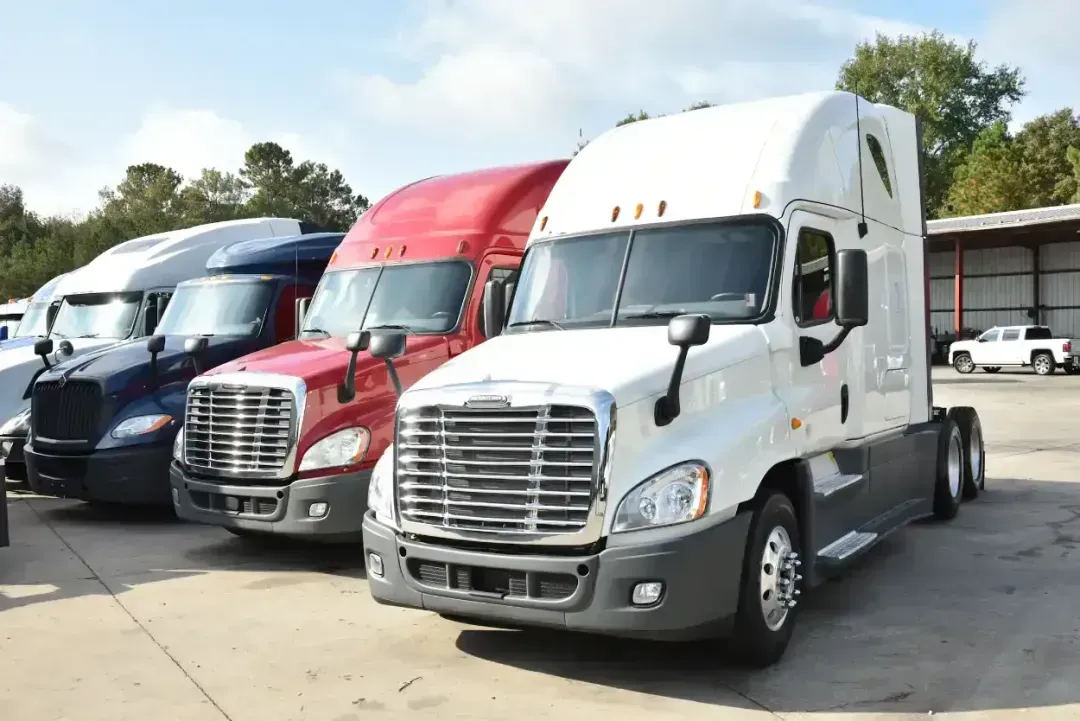
Maximizing fleet efficiency means optimizing vehicle use, improving driver performance, and integrating technology for better productivity and profitability. Optimizing every aspect of your fleet can significantly impact productivity and profitability. Read more to learn about three crucial areas of efficient fleet management:
Three semi trucks parked in a lot, including a red and a white truck in front.
September 30, 2026
Routine fleet maintenance reduces breakdowns and boosts efficiency. Legacy Auto & Fleet offers services like oil changes, brake checks, and tire inspections, ensuring your fleet stays road-ready. Regular maintenance prevents costly repairs, improves fuel efficiency, and safeguards your investment.

Front view of a black semi-truck with bright headlights at dusk
September 30, 2026
Stay compliant with environmental regulations by maintaining emission systems, adopting green tech, and training your team. Use tools like telematics, conduct regular inspections, and explore alternative fuels. Proactive measures reduce emissions, cut costs, and prevent fines. Environmental regulations are becoming more stringent, especially for fleet operators. Keeping your fleet compliant not only ensures legal adherence but also boosts sustainability and operational efficiency. Compliance starts with understanding the rules. Major regulations for fleets often include:
Red truck cab in garage with two workers inspecting the engine and undercarriage
September 30, 2026
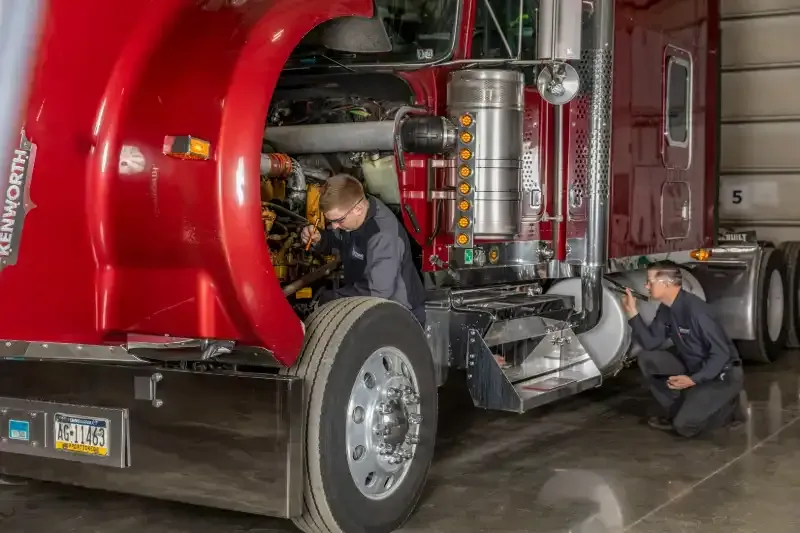
DOT compliance starts with daily inspections, working brakes, proper logs, and secured loads. Preventive maintenance and clean records keep your fleet road-ready. Staying compliant with Department of Transportation (DOT) regulations isn’t just about avoiding fines—it’s about safety, reliability, and keeping your fleet on the road. Below, we’ve compiled ten professional, actionable tips that can make the difference between a violation and a clean bill of health.
Open utility truck with compartments parked in a lot, side door open
September 30, 2026
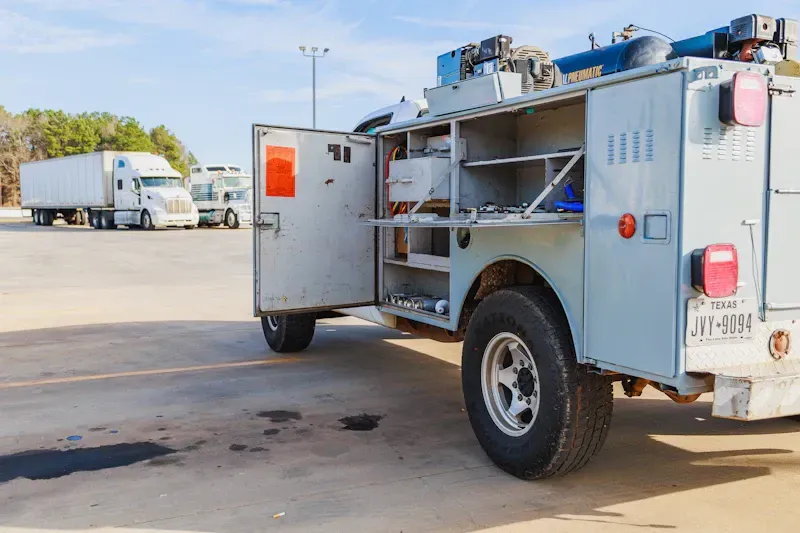
Discover how mobile fleet repair reduces downtime, streamlines preventive maintenance, lowers operating costs, and keeps commercial fleets productive with fast, convenient on-site service. There’s no denying that commercial fleets are demanding. With tight delivery schedules, rising operating costs, and driver shortages, there is little room for unexpected downtime. And with that, you know that every hour a truck sits idle means missed deadlines, lost revenue, and frustrated customers. With increased demands on fleets, commercial fleet maintenance has had to evolve, leading more businesses to turn to mobile fleet repair to keep their vehicles on the road rather than wait in line at a repair shop. Rather than disrupting your operations by sending multiple vehicles off-site, mobile technicians bring the repair shop directly to your fleet. From routine inspections to preventive maintenance and emergency repairs, this convenient approach is changing how fleet managers maximize uptime while controlling maintenance costs. As mobile services continue to grow, they're becoming an essential part of modern fleet management.



