
The Importance of Routine Fleet Maintenance

September 30, 2026

Share this article

Routine fleet maintenance reduces breakdowns and boosts efficiency. Legacy Auto & Fleet offers services like oil changes, brake checks, and tire inspections, ensuring your fleet stays road-ready. Regular maintenance prevents costly repairs, improves fuel efficiency, and safeguards your investment.

The Importance of Routine Fleet Maintenance

At Legacy Auto & Fleet, we understand that keeping your fleet in peak condition is essential for your business. Whether you're managing a handful of vehicles or a full fleet of semi-trucks, routine maintenance is your best defense against costly breakdowns.

Why is Fleet Maintenance so Important?

Routine fleet maintenance goes beyond simply following a manufacturer's service recommendations. It's about safeguarding your investment. Vehicles in a fleet are subjected to rigorous operating conditions, long hours on the road, and varying loads.


Well-maintained vehicles ensure your fleet runs more efficiently. Trucks that are regularly serviced tend to consume less fuel, have fewer mechanical issues, and maintain consistent performance. This results in fewer disruptions and keeps your fleet operational when it matters most. Additionally, regular maintenance helps in identifying minor issues before they escalate into major problems, leading to a more predictable operating budget.

What are the Most Common Maintenance Tasks?

Routine maintenance tasks for heavy-duty vehicles typically include oil changes, tire inspections, brake checks, and more specialized tasks like after-treatment system servicing and transmission checks. Each of these tasks plays a vital role in keeping your fleet road-ready.

Examples:

  • Changing the oil and filters regularly ensures your engine remains well-lubricated and free from contaminants. This prolongs the life of your engine and prevents wear on critical components like the crankshaft and bearings.
  • Checking and rotating tires, on the other hand, promotes even wear, improves fuel efficiency, and reduces the risk of blowouts.
  • Brakes need to be regularly inspected and serviced to ensure that they perform effectively, especially when carrying heavy loads.

What Should I Inspect During Regular Fleet Maintenance?

When it comes to maintaining your fleet, each component requires careful inspection. At Legacy Auto & Fleet, we emphasize a holistic approach that covers the entire vehicle, from the engine to the driveline.

  1. Engine and Transmission: Regular oil and fluid changes are crucial, as well as keeping an eye on fluid levels like engine coolant and transmission fluid. Low or dirty fluids can lead to overheating, poor performance, or even catastrophic failure.
  2. Braking System: For trucks, brake inspections are non-negotiable. Worn-out brake shoes, misaligned slack adjusters, or air leaks in the system can drastically reduce stopping power, putting both the driver and the cargo at risk.
  3. Tires and Suspension: Proper tire pressure and wear should be monitored consistently. Overinflated or underinflated tires affect handling and fuel efficiency. Equally important is inspecting the suspension system for worn shocks and loose or damaged components.
  4. After-Treatment Systems: Modern diesel engines are equipped with after-treatment systems like Diesel Particulate Filters (DPF) and Selective Catalytic Reduction (SCR) catalysts that reduce harmful emissions. Maintaining these systems ensures your fleet remains compliant with environmental regulations and avoids costly fines or repairs.

How Does Routine Maintenance Reduce Costs?

Preventive maintenance is an investment that pays dividends by preventing more expensive repairs down the road. Consider this: a well-maintained engine is less likely to overheat, break down, or require a full rebuild. Similarly, replacing worn brake components during routine maintenance can prevent the need for a costly full brake system replacement later on.

For instance, regular checks on the coolant system can prevent an engine from overheating and causing severe damage that might require costly repairs. In Ohio's varying weather conditions, keeping the coolant system in top shape is essential, as cold winters and hot summers can exacerbate any weaknesses.

Furthermore, regular maintenance helps maintain your fleet's fuel efficiency. With fuel being one of the most significant operating costs, even a small improvement in fuel efficiency can lead to substantial savings across a fleet of vehicles. Clean oil, properly inflated tires, and well-maintained engines all contribute to improved fuel efficiency, which is vital for your bottom line.

How Often Should I Schedule Fleet Maintenance?

The frequency of maintenance depends on several factors, including the age and mileage of your vehicles, the conditions in which they operate, and the manufacturer's recommendations. At Legacy Auto & Fleet, we typically recommend scheduling maintenance at regular intervals based on mileage or time, whichever comes first. For example, oil changes are generally recommended every 5,000 to 10,000 miles, depending on the truck and usage conditions.

However, it's not just about sticking to a schedule. Some vehicles may need more frequent attention due to harsher driving conditions, such as frequent stop-and-go driving, heavy towing, or driving in extreme weather. Our team at Legacy Auto & Fleet can help you establish a customized maintenance schedule that suits your fleet's specific needs.

What Happens If I Ignore Routine Maintenance?

Skipping routine maintenance might save you time or money in the short term, but it will cost you more in the long run. Neglected maintenance leads to higher repair costs, decreased vehicle reliability, and even premature replacement of vehicles. Breakdowns on the road are not only inconvenient but also dangerous and costly in terms of towing and emergency repairs.

How Can Legacy Auto & Fleet Help?

At Legacy Auto & Fleet, we specialize in keeping fleets in Ohio running smoothly and efficiently. Our comprehensive maintenance services include routine oil changes and complex diagnostic and repair work. We understand the unique needs of fleet vehicles and offer flexible scheduling to minimize downtime.

By partnering with Legacy Auto & Fleet, you'll have the peace of mind that comes with knowing your vehicles are being serviced by experienced professionals who are committed to maximizing your fleet's performance and longevity. Let us help you protect your investment and keep your fleet on the road.

Routine fleet maintenance is not just a necessary task—it's a smart business strategy. Schedule your next maintenance appointment with Legacy Auto & Fleet in Ohio today, and let us help you keep your fleet rolling with confidence.


Get in touch

Contact Legacy Auto & Fleet

Legacy Auto & Fleet proudly offers our mobile truck repair & commercial fleet maintenance services to light & medium-duty trucks & auto fleets throughout Stark County, including service to Cleveland, Akron, Canton, Youngstown, & more. Get in touch with our mobile diesel mechanic team today with any questions, to request a quote, and to schedule onsite service.

Black telephone handset icon on a white background
White envelope icon on a black background
Black clock icon with white hands and tick marks on a circular face
Black location pin icon with a white center hole on a white background

Recent Posts

White semi-truck driving on a curving road under a clear blue sky
September 30, 2026
As diesel repair experts, we understand the importance of staying informed and educated on the latest advancements in diesel repair, maintenance, and technology. Welcome to our Article section! As diesel repair experts, we understand the importance of staying informed and educated on the latest advancements in diesel repair, maintenance, and technology. That's why we've created this section of our website - to provide you with valuable information and insights on all things diesel. ‍ Here, you'll find regular articles covering a wide range of topics related to diesel repair, maintenance, and troubleshooting. Whether you're an operator, fleet manager, or diesel engine enthusiast, you'll find something of interest here. ‍ Diesel engines are an essential part of our daily lives, powering everything from cars and trucks to trains and boats. They are known for their reliability, durability, and efficiency, making them a popular choice for many people. However, with all the complex parts and systems involved, it can be challenging to keep your diesel engine running smoothly without the proper knowledge and maintenance. ‍ That's where we come in. Our team of diesel repair experts has years of experience and expertise in all aspects of diesel repair, maintenance, and technology. We understand the intricacies of diesel engines, and we're passionate about sharing our knowledge and helping others. Our goal is to provide valuable information and insights that can help you keep your diesel engine running smoothly and efficiently. ‍ One of the most critical aspects of diesel engine maintenance is staying on top of regular services, such as oil changes, tire rotations, and filter replacements. Neglecting these basic tasks can result in serious engine problems that can be costly and time-consuming to fix. Our articles will help you understand the importance of these services and provide tips for how to perform them correctly. ‍ In addition to basic maintenance tasks, we'll also cover more complex repairs, such as engine rebuilds, transmission replacements, and electrical system repairs. These types of repairs can be challenging, but with the right information and guidance, they can be completed successfully. Our articles will provide step-by-step instructions and tips for making these repairs as stress-free as possible. ‍ Aside from repairs and maintenance, we'll also be sharing tips and tricks for improving your diesel engine's performance, fuel efficiency, and longevity. From simple modifications to advanced tuning techniques, there are many ways to make your diesel engine perform better and last longer. We'll provide in-depth information on these topics, so you can make informed decisions about how to get the most out of your engine. ‍ In addition to technical articles, we'll also be posting educational pieces on the history and evolution of diesel vehicles. From the early days of diesel engines to the modern powerhouses of today, the history of diesel engines is fascinating and full of innovation. We'll take you on a journey through time and explore the development of diesel engines and the impact they've had on society. ‍  Keep an eye out for more articles coming soon! We're dedicated to updating this section of our website regularly, so be sure to check back often for new content. Whether you're looking for technical advice, educational information, or simply interesting stories about diesel engines, you'll find it all here.
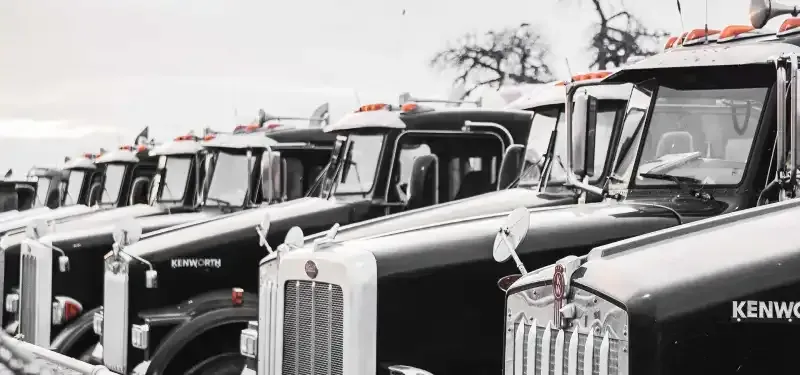
Row of white and black semi-trucks parked in a lot, front grilles facing the camera
September 30, 2026
Maximizing fleet efficiency means optimizing vehicle use, improving driver performance, and integrating technology for better productivity and profitability. Optimizing every aspect of your fleet can significantly impact productivity and profitability. Read more to learn about three crucial areas of efficient fleet management:

Front view of a black semi-truck with bright headlights at dusk
September 30, 2026
Stay compliant with environmental regulations by maintaining emission systems, adopting green tech, and training your team. Use tools like telematics, conduct regular inspections, and explore alternative fuels. Proactive measures reduce emissions, cut costs, and prevent fines. Environmental regulations are becoming more stringent, especially for fleet operators. Keeping your fleet compliant not only ensures legal adherence but also boosts sustainability and operational efficiency. Compliance starts with understanding the rules. Major regulations for fleets often include:
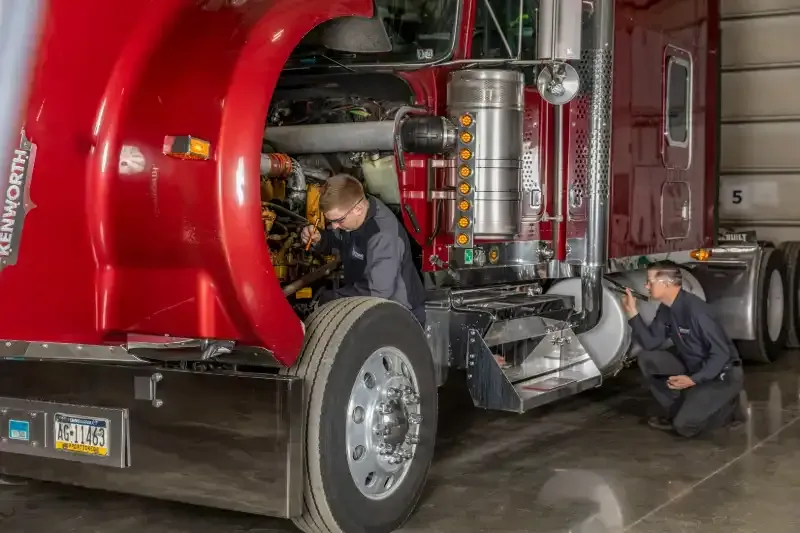
Red truck cab in garage with two workers inspecting the engine and undercarriage
September 30, 2026
DOT compliance starts with daily inspections, working brakes, proper logs, and secured loads. Preventive maintenance and clean records keep your fleet road-ready. Staying compliant with Department of Transportation (DOT) regulations isn’t just about avoiding fines—it’s about safety, reliability, and keeping your fleet on the road. Below, we’ve compiled ten professional, actionable tips that can make the difference between a violation and a clean bill of health.
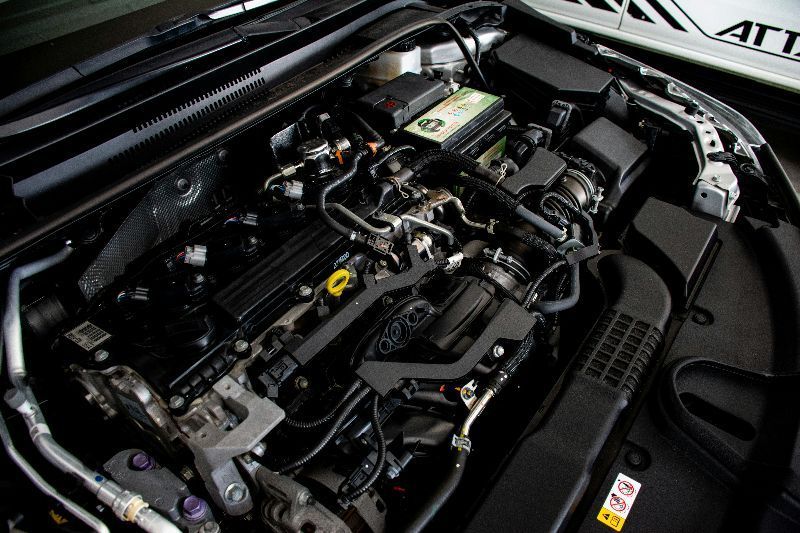
Open car engine bay with black components and hoses under the hood
September 30, 2026
Learn what drives auto repair costs. From labor and parts to diagnostics and maintenance, discover how to make smarter, more cost-effective decisions for your vehicle or fleet.
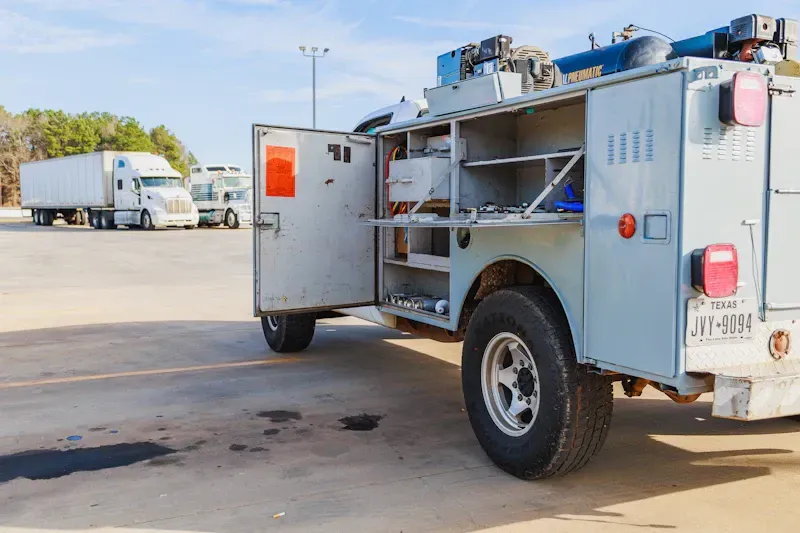
Open utility truck with compartments parked in a lot, side door open
September 30, 2026
Discover how mobile fleet repair reduces downtime, streamlines preventive maintenance, lowers operating costs, and keeps commercial fleets productive with fast, convenient on-site service. There’s no denying that commercial fleets are demanding. With tight delivery schedules, rising operating costs, and driver shortages, there is little room for unexpected downtime. And with that, you know that every hour a truck sits idle means missed deadlines, lost revenue, and frustrated customers. With increased demands on fleets, commercial fleet maintenance has had to evolve, leading more businesses to turn to mobile fleet repair to keep their vehicles on the road rather than wait in line at a repair shop. Rather than disrupting your operations by sending multiple vehicles off-site, mobile technicians bring the repair shop directly to your fleet. From routine inspections to preventive maintenance and emergency repairs, this convenient approach is changing how fleet managers maximize uptime while controlling maintenance costs. As mobile services continue to grow, they're becoming an essential part of modern fleet management.



